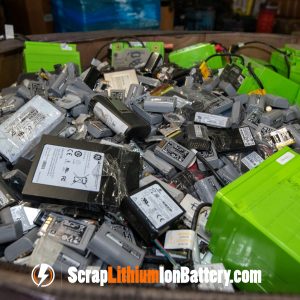
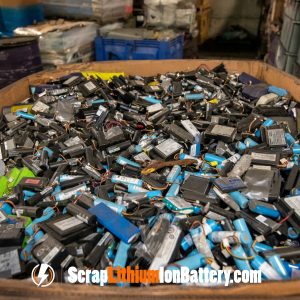
Lithium ion batteries are a type of rechargeable battery. They are the main power source of things like:
- Electric vehicles
- Solar power storage
- Emergency power backups (UPS)
- Power tools
Some of the metals that make up lithium ion batteries include nickel, cobalt and copper. There are also different kinds of lithium ion batteries that contain…
- Lithium Cobalt Oxide (LiCoO2)
- Nickel Cobalt Aluminum Oxide (NCA)
- Nickel Manganese Oxide (NMC)
Eventually, lithium ion batteries wear out and consumers must replace them. This is generally due to aging, overuse and overcharging. Whenever the opportunity comes to dispose of these batteries, it is vital for one to understand why the recycling of lithium ion batteries is so significant.
The recycling of lithium ion batteries provides numerous positive impacts to the environment. Lithium ion battery recycling:
- Reuses valuable materials
- Diminishes space occupied in landfills
- Protects natural resources
- Reduces pollution
A portion of the reusable materials contained inside lithium ion batteries include cobalt, nickel and copper. Reusing these materials leads to less space occupied in landfills which protects natural resources. Subsequently, this prompts less overall pollution.
People, organizations and governments are pushing toward a greener world. The recycling of lithium ion batteries is a huge step toward making this objective a reality.
Since the significance of lithium ion battery recycling has been talked about, one must understand how to recycle lithium ion batteries.